What is Embryo Cryopreservation? Procedure, Steps, and What You Should Know
Introduction
Embryo cryopreservation is a fertility preservation technique used in assisted reproduction. It allows embryos created during IVF to be frozen and stored for future use. This helps individuals and couples plan pregnancy at a later stage without repeating the full IVF cycle.
It is widely used in fertility care today due to changing lifestyle choices, delayed pregnancies, and medical conditions that may affect fertility. You may come across this option during infertility evaluation or IVF treatment planning.
In this blog, you will understand how the procedure works, step-by-step clinical stages, storage methods, and how frozen embryos are used later for pregnancy. You will also find answers to common patient concerns in simple language.
Understanding Embryo Cryopreservation
Embryo Cryopreservation is the process of freezing fertilized embryos at very low temperatures to preserve them for future pregnancy.
These embryos are created during an IVF cycle and are carefully monitored in a laboratory until they reach the right stage of development.
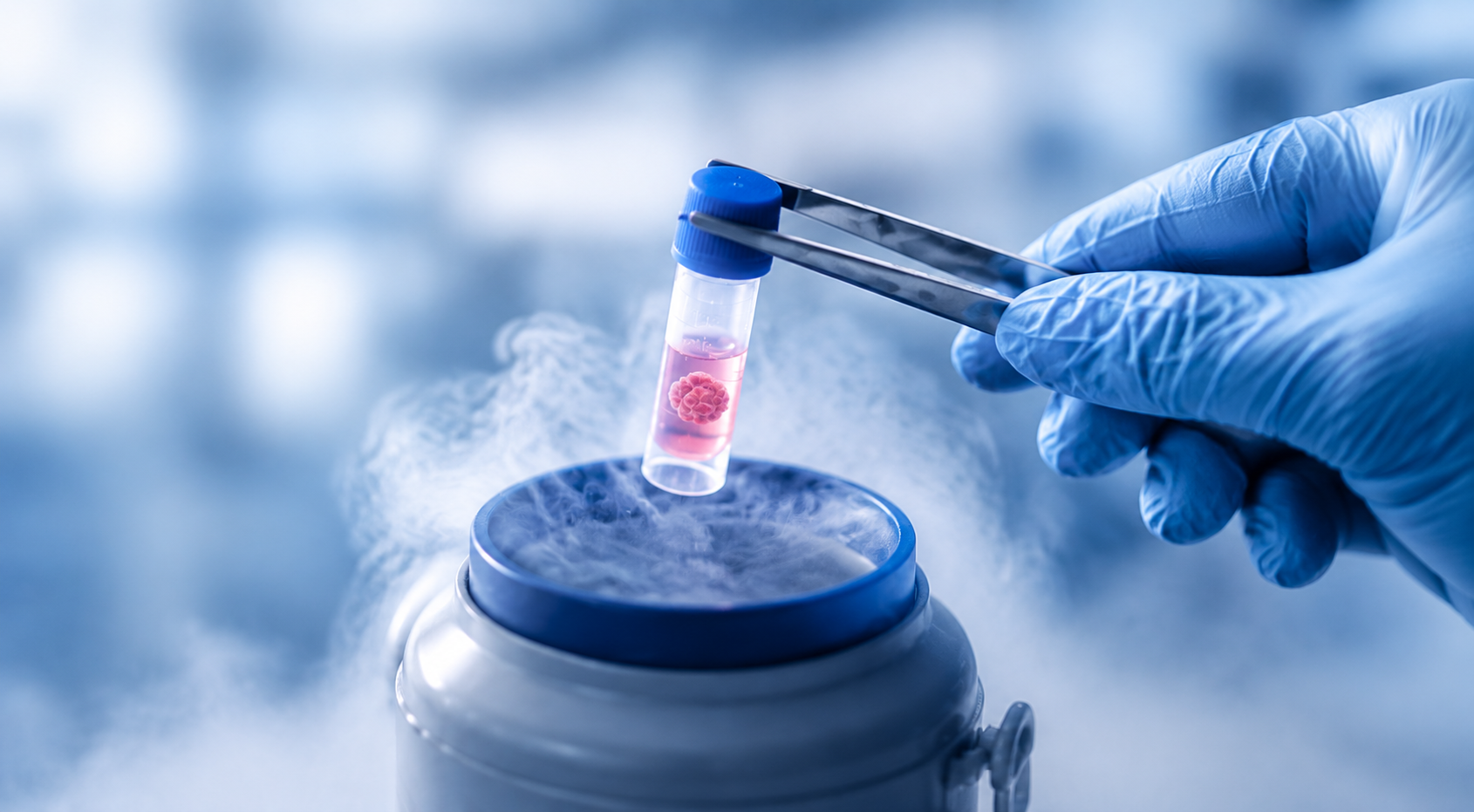
Once selected, they are frozen using controlled techniques and stored in liquid nitrogen tanks.
The goal is simple. Preserve embryo quality until you are ready for embryo transfer.
This process supports long-term fertility planning and reduces the need for repeated ovarian stimulation cycles.
Why Embryo Freezing is Recommended
Doctors may suggest embryo freezing in different situations.
You may need it if:
- You are undergoing IVF and have extra good-quality embryos
- You are planning delayed pregnancy due to personal reasons
- You are starting treatments like chemotherapy that may affect fertility
- You want to avoid repeated IVF stimulation cycles
- You are managing repeated infertility treatment cycles
In many cases, infertility specialists include embryo freezing as part of a long-term treatment plan.
For patients seeking Infertility Treatment in Ravet, this option is often discussed during IVF counseling when planning multiple cycles or future pregnancy attempts.
Step-by-Step Procedure of Embryo Cryopreservation
The procedure happens in a structured sequence inside a fertility clinic.
1. Ovarian stimulation and monitoring
You are given hormonal medicines to stimulate egg production. Regular scans and blood tests monitor follicle growth.
2. Egg retrieval
Once eggs are mature, they are collected using a minor procedure under sedation. This step is quick and usually completed within 20–30 minutes.
3. Fertilization in the lab
Collected eggs are combined with sperm to create embryos. These embryos are monitored for 3 to 5 days.
4. Embryo selection
Embryologists select embryos based on development and quality. Only healthy embryos are chosen for freezing.
5. Freezing using vitrification
Selected embryos are frozen using a rapid freezing method called vitrification. This prevents ice crystal formation and protects embryo structure.
6. Storage in liquid nitrogen
Frozen embryos are stored in secure cryogenic tanks at extremely low temperatures. They remain preserved for long durations without losing viability.
Each step is carefully controlled by trained embryology teams in the laboratory.
What Happens When You Use Frozen Embryos
When you are ready for pregnancy, the frozen embryos are thawed in a controlled lab environment.
The uterus is prepared using hormonal medication to create a supportive lining.
The embryo is then transferred into the uterus through a simple, painless procedure.
After transfer, pregnancy is confirmed through a blood test after about two weeks.
Frozen embryo transfer cycles are commonly used in modern fertility treatment plans and often show good success outcomes when embryo quality is high.
Factors That Influence Success
Several factors affect the outcome of embryo cryopreservation:
- Age at the time of egg retrieval
- Quality of embryos selected for freezing
- Laboratory standards and expertise
- Underlying infertility condition
- Uterine health during embryo transfer
Patients undergoing Gynecologist in Ravet consultations for fertility concerns are often guided through these factors before starting IVF or embryo freezing.
In some cases, lifestyle changes and medical management are advised to improve outcomes before embryo transfer.
Emotional and Clinical Benefits
Embryo freezing gives more than a medical advantage.
It offers planning flexibility. You can delay pregnancy without losing embryo quality.
It also reduces the need for repeated ovarian stimulation cycles, which can be physically and emotionally demanding.
Many couples feel more in control of their fertility journey when embryos are preserved for future use.
Doctors like Dr. Chaitali Adkar often counsel patients on how embryo cryopreservation fits into long-term fertility planning based on individual health conditions.
Frequently Asked Questions
It is used to freeze and store embryos created during IVF for future pregnancy attempts.
Yes, modern vitrification techniques protect embryos from damage during freezing and thawing.
Embryos can be stored for many years without losing quality when maintained under proper conditions.
Success depends more on embryo quality and maternal age than the freezing process itself.
Egg retrieval may cause mild discomfort, but freezing and storage are laboratory-based processes and painless.
Only embryos that reach good developmental quality are selected for freezing.
They are thawed in a lab and transferred into the uterus after preparation.
Conclusion
Embryo cryopreservation is a key advancement in fertility care that helps preserve embryos for future pregnancy planning. It follows a structured process involving stimulation, egg retrieval, fertilization, freezing, and storage under controlled conditions. Each step focuses on maintaining embryo quality and improving future pregnancy chances.
If you are planning fertility treatment or exploring options for delayed pregnancy, guidance from a specialist becomes important. A qualified Gynecologist in Ravet or fertility expert can help you understand whether embryo freezing fits your medical condition and future goals.
With proper planning and medical support, embryo cryopreservation offers a reliable way to take control of your reproductive choices and plan pregnancy at the right time for you.