PCOS and Fertility: Can Women with PCOS Get Pregnant?
Introduction
PCOS is one of the most common hormonal conditions affecting women of reproductive age. It often appears when a woman notices irregular periods or faces difficulty in conceiving.
Many women feel confused when pregnancy does not happen as expected. They begin searching for answers about ovulation, hormones, and treatment options.
This blog explains how PCOS affects fertility, whether pregnancy is possible, what treatment options work, and what lifestyle changes can help improve ovulation. You will also understand when to seek medical guidance from a Gynecologist in Ravet for proper evaluation and care.
Understanding PCOS and Its Impact on Reproductive Health
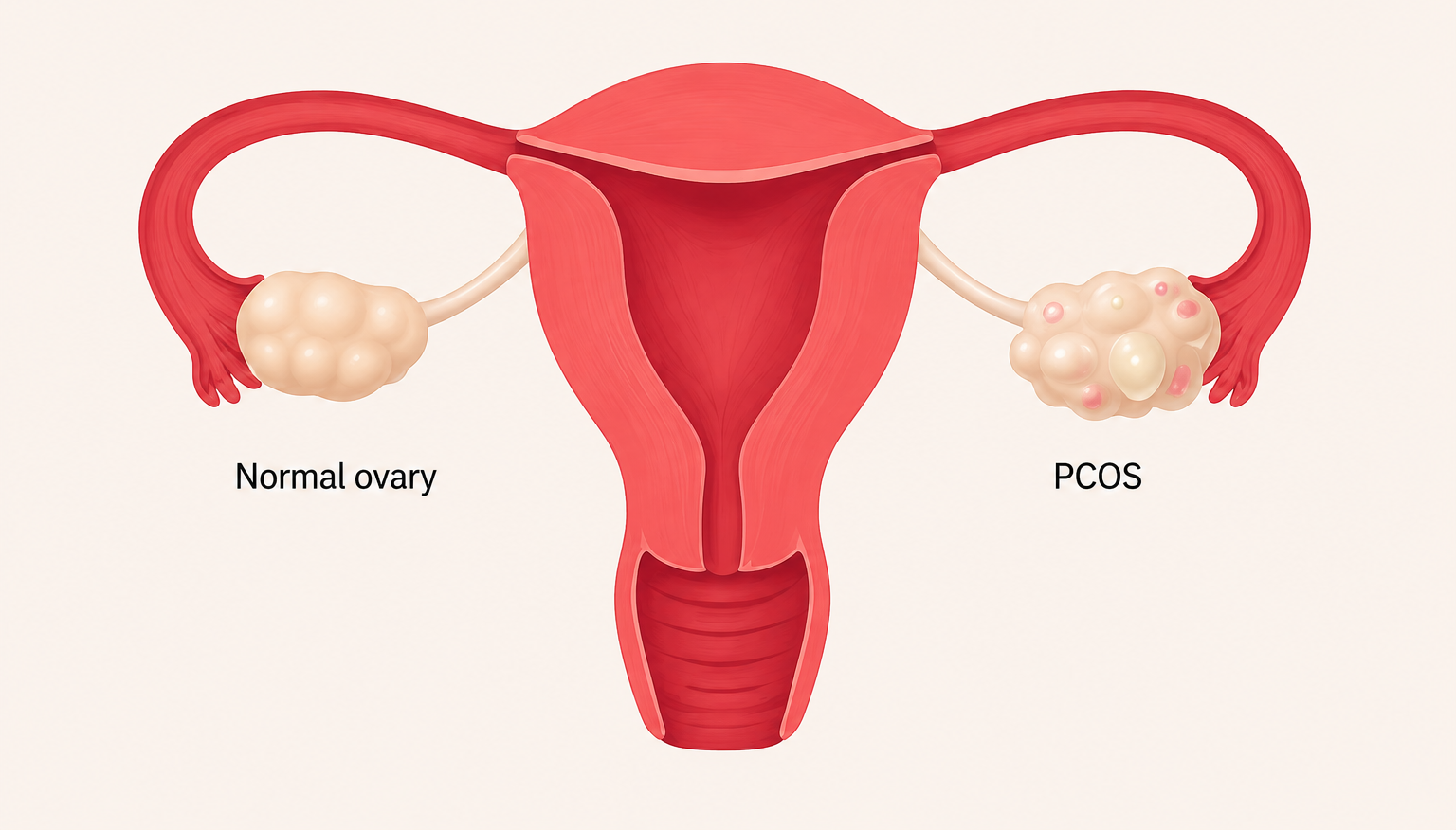
PCOS is a hormonal condition where the ovaries do not function in a regular pattern. It affects ovulation, which is the release of an egg every month.
In a normal cycle, a mature egg is released and pregnancy can occur if fertilization happens. In PCOS, this process may not happen regularly.
Common features include:
- Irregular menstrual cycles
- Excess androgen (male hormone) levels
- Small follicles in the ovaries
- Difficulty in regular ovulation
PCOS is not the same for every woman. Some experience mild symptoms, while others face more noticeable hormonal imbalance.
Doctors usually diagnose PCOS using symptoms, blood tests, and ultrasound findings.
How PCOS Affects Fertility and Ovulation
Fertility depends on regular ovulation. In PCOS, ovulation may be delayed or absent in some cycles.
This happens due to hormonal imbalance, especially insulin resistance and elevated androgen levels. These hormones interfere with follicle development in the ovary.
As a result:
- Eggs may not mature properly
- Ovulation becomes irregular
- Cycle timing becomes unpredictable
- Chances of natural conception may reduce
Even with irregular ovulation, pregnancy can still happen when an egg is released naturally.
Can Women with PCOS Get Pregnant Naturally
Yes, pregnancy is possible even with PCOS. Many women conceive naturally without long-term treatment.
The key factor is ovulation. If ovulation occurs, pregnancy can happen.
For example, a woman with irregular cycles may still release an egg once in a few months. If intercourse happens during that time, conception can occur.
Factors that influence natural pregnancy include:
- Age of the woman
- Weight and lifestyle habits
- Severity of hormonal imbalance
- Frequency of ovulation
Early evaluation improves understanding of fertility potential and helps plan the right approach.
Medical Treatment Options for PCOS and Fertility
Treatment depends on ovulation patterns and hormonal balance. Doctors usually follow a stepwise approach.
Ovulation induction medicines
These medicines help stimulate the ovaries to release eggs regularly. They are often the first step in fertility treatment.
Hormonal regulation
Some women need medication to regulate cycles and improve hormone levels before planning pregnancy.
Insulin management
Insulin resistance is common in PCOS. Controlling it can improve ovulation and reproductive function.
Assisted reproductive techniques
If medicines do not work, procedures like IUI or IVF may be recommended based on individual response.
A proper evaluation through PCOD Management in Ravet helps decide the right treatment plan.
Lifestyle Changes That Improve Fertility in PCOS
Weight management
Even a small reduction in weight can improve ovulation and menstrual regularity.
Healthy diet
Balanced meals with fiber, protein, and low refined sugar help control insulin levels.
Regular exercise
Walking, yoga, and strength training improve metabolism and support hormonal balance.
Stress and sleep control
Poor sleep and high stress can disturb hormone levels. A stable routine supports reproductive health.
These changes work gradually but can significantly improve fertility outcomes over time.
When to Consult a Specialist
Medical support is important when natural conception is delayed.
You should consider consulting Dr. Chaitali Adkar in Ravet if:
- You have irregular or missed periods
- You are trying to conceive for more than 12 months
- You have symptoms of hormonal imbalance
- You already know you have PCOS or PCOD
Early consultation helps in identifying ovulation patterns and starting the right treatment at the right time.
Understanding the Role of PCOD Management in Fertility Care
PCOD affects more than just periods. It directly impacts ovulation and fertility outcomes.
Effective PCOD Management in Ravet focuses on:
- Restoring regular ovulation
- Balancing hormone levels
- Improving metabolic health
- Supporting natural conception or assisted pregnancy
A structured treatment plan increases the chances of pregnancy and reduces long-term complications.
Frequently Asked Questions
Yes, natural pregnancy is possible if ovulation happens occasionally.
No, PCOS does not mean infertility. It only affects regular ovulation.
It varies depending on ovulation frequency, age, and treatment response.
Not always. Many women conceive with medicines before needing IVF.
Yes, even small weight reduction can restore ovulation in some women.
Ovulation induction medicines are usually the first step.
If you do not conceive after 12 months of trying, consult a specialist.
Conclusion
PCOS affects hormone balance and ovulation, but it does not stop pregnancy in most cases. Many women conceive naturally or with simple medical support.
Understanding your cycle, managing lifestyle factors, and starting treatment at the right time can improve outcomes.
If you are facing difficulty in conception, guidance from a Gynecologist in Ravet and structured PCOD Management in Ravet can help you take the next step with clarity and confidence.