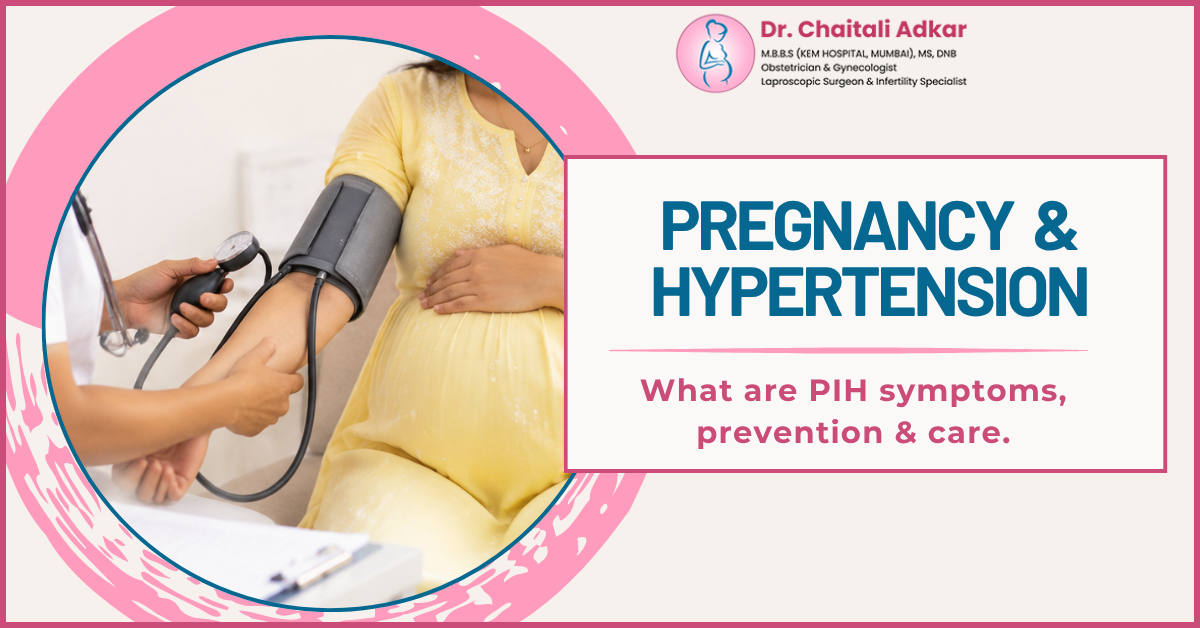
Pregnancy‑Induced Hypertension (PIH): Symptoms and Prevention
Pregnancy can bring joy and concern at the same time. One health issue many expectant mothers face is Pregnancy‑Induced Hypertension or PIH. High blood pressure during pregnancy can affect both you and your baby if not identified early. In this blog, you will learn what PIH is, what symptoms to watch for, how to reduce your risk, and when to seek help. You will find practical guidance and clear answers to common questions.
If you are looking for care in your area, a Best Gynecologist in Ravet like Dr. Chaitali Adkar can help guide your care. As a trusted Fertility Specialist, she works with expectant mothers to monitor blood pressure and support healthy pregnancies.
What Is Pregnancy‑Induced Hypertension?
PIH is high blood pressure that begins after 20 weeks of pregnancy. It is different from chronic hypertension that exists before pregnancy. PIH can develop suddenly. If left unmanaged, it can lead to more serious conditions.
Your blood pressure is measured in millimeters of mercury (mmHg). A reading above 140/90 mmHg after 20 weeks is considered high. Regular checks at prenatal visits help detect this early.
Seeing a Gynecologist such as Dr. Chaitali Adkar means you get regular monitoring and early detection. Her expertise as a Fertility Specialist includes tracking blood pressure and guiding women through risks like PIH.
Causes and Risk Factors
The exact cause of PIH is not fully known, but several factors increase the risk. Some key factors to know:
- First pregnancy: PIH is more common in women expecting their first child.
- Age: Women under 20 or over 35 face higher risk.
- Multiple pregnancy: Twins or triplets increase pressure on the heart.
- Pre‑existing conditions: Conditions like kidney disease or diabetes raise your risk.
- Lifestyle: Poor diet, obesity, and lack of physical activity can influence blood pressure.
Meeting with a Best Gynecologist in Ravet can help assess your personal risk. As a Fertility Specialist, she reviews your health history and suggests tailored care.
Symptoms to Watch For
PIH may not show symptoms at first. That is why monitoring is critical. When symptoms do appear, act quickly. Here are common signs:
- High blood pressure readings: Measured consistently at or above 140/90 mmHg.
- Swelling: Noticeable swelling in face, hands, or feet that comes on quickly.
- Severe headache: Headache that does not go away with rest.
- Visual changes: Blurry vision, seeing spots, or light sensitivity.
- Abdominal pain: Pain under your ribs or in your upper belly.
- Nausea or vomiting: Especially if new or severe after the second trimester.
If you notice any of these symptoms, contact your provider right away. A Best Gynecologist in Ravet such as Dr. Chaitali Adkar can evaluate your symptoms and order the right tests.
Why Early Detection Matters
Untreated PIH can escalate quickly. Early detection protects both you and your baby. Some possible complications include:
- Organ damage: High blood pressure can stress the liver and kidneys.
- Preeclampsia: A more serious form of PIH with protein in the urine.
- Eclampsia: Seizures caused by very high blood pressure.
- Preterm birth: Your baby may need to be delivered early for safety.
- Low birth weight or growth restriction: Affects baby’s development.
Providers like Fertility Specialist help you identify changes early. Dr. Chaitali Adkar tracks your blood pressure and adjusts your care as needed to prevent complications.
Preventive Steps You Can Take
You may not stop PIH completely, but you can lower your risk and protect your health. Here are practical steps:
Monitor Blood Pressure Regularly
Attend all prenatal visits. This helps track patterns rather than one‑off readings.
Eat a Balanced Diet
Focus on whole foods, fresh vegetables, lean proteins, and whole grains. Reducing sodium may help manage blood pressure.
Stay Active
Gentle daily activity such as walking can support heart health. Always check with your provider before starting any new exercise.
Stay Hydrated
Drink enough water each day. Dehydration stresses your body and can affect blood flow.
Manage Stress
Try deep breathing, light stretching, or short walks. Reducing stress helps support healthy blood pressure.
Avoid Smoking and Alcohol
These increase your risk of pregnancy complications and affect your baby’s growth.
A Best Gynecologist in Ravet will help you build a care plan that includes these steps and more, based on your personal needs.
How PIH Is Diagnosed
PIH is usually detected during regular prenatal care. Your provider measures your blood pressure and may test your urine for protein. Additional steps may include:
- Ultrasound: To check baby’s growth.
- Blood tests: To check liver and kidney function.
- Fetal monitoring: To watch your baby’s heartbeat.
Treatment Options
Treatment varies based on severity:
Medication:
Your provider may prescribe safe blood pressure medication. This lowers risks and protects organs.
Lifestyle Adjustments:
You may be asked to rest more, adjust diet, or track blood pressure at home.
Closer Monitoring:
Some women need more frequent checkups as pregnancy progresses.
Hospital Care:
In severe cases, brief hospitalization may be needed to protect you and your baby.
Frequently Asked Questions About PIH
Yes. Often blood pressure returns to normal within weeks after birth. You still need follow‑up care.
Home monitoring can help track changes between visits. Share readings with your provider.
Family history may increase risk, but it is not a guarantee you will develop it.
Stress affects health, but PIH has multiple causes. Managing stress supports overall well‑being.
There is a higher chance of PIH in later pregnancies. Early planning and monitoring help.
Pregnancy‑Induced Hypertension can feel worrisome, but you are not alone. Knowing the signs and steps you can take helps you stay informed. Regular tests and open communication with your care team make a difference. A Best Gynecologist such as Dr. Chaitali Adkar can provide regular monitoring and personalized care throughout your pregnancy. With careful attention and support, you can protect your health and move confidently toward a safe delivery.