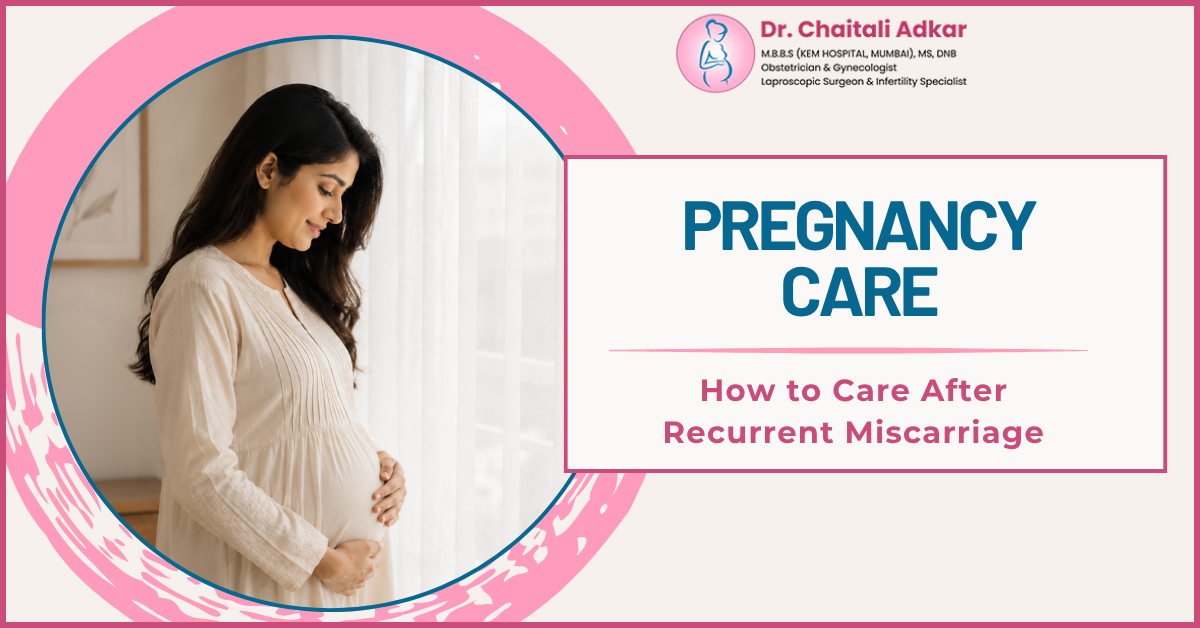
How to Care for Pregnancy After Recurrent Miscarriage
A pregnancy after recurrent miscarriage can feel overwhelming, emotional, and uncertain. For many women, this journey raises questions about safety, monitoring, and ways to improve their chances of a healthy outcome. Understanding how to care for your body and your developing baby matters more than ever. In this blog, we explore practical steps, medical insights, and reliable support for pregnancy after multiple losses. We also focus on aspects of High Risk Pregnancy Management and how guidance from an experienced Obstetrician & Gynecologist can make a difference.
What Is Recurrent Miscarriage and Why It Matters
Recurrent miscarriage generally refers to losing two or more pregnancies before 20 weeks. This can happen for many reasons, including chromosomal abnormalities, uterine issues, hormonal imbalances, or immune conditions. Nearly half of recurrent losses may be linked to genetic factors, while others remain unexplained.
Losing a pregnancy repeatedly affects both the body and the mind. Your next steps matter because early care increases your chances of progressing safely into later stages of pregnancy.
Preparing Your Body Before Conceiving Again
Comprehensive Health Evaluation
Before trying to conceive again, talk with your doctor about a full evaluation. Testing may include hormone panels, thyroid screening, clotting disorder tests, and imaging to assess the uterus and fallopian tubes.
Targeted Nutritional Planning
A balanced diet supports healthy conception and early pregnancy. Prioritize folic acid, iron, protein, and hydration. Speak with your care team about supplements like folate or multivitamins.
Stress and Lifestyle Factors
Deep breathing, rest, and gentle exercise help your body prepare. Avoid smoking and limit alcohol or caffeine. Small lifestyle changes now can support a healthier conception and reduce complications.
First Weeks of Pregnancy: What to Focus On
Regular Monitoring
Your doctor may schedule early ultrasounds to confirm implantation, gestational age, and early heartbeat. These visits are especially important if you’ve experienced losses before.
Hormonal Support
Some women benefit from progesterone support or other hormone stabilization during early pregnancy when levels are low. Your doctor will tailor this based on test results.
Track Symptoms Closely
Any bleeding, severe cramping, or dizziness should be discussed with your doctor immediately. Early communication helps your care team act quickly if needed.
High-Risk Pregnancy Management After Miscarriage
Women with a history of recurrent miscarriage often need closer supervision throughout pregnancy. High Risk Pregnancy Management involves more frequent visits, targeted testing, and adjustments in care based on individual needs.
At Hriday Mother and Child Care Clinic in Ravet, Obstetrician & Gynecologist in Ravet, Pune, Dr. Chaitali Adkar offers personalized care plans for high-risk situations like recurrent miscarriage. Her approach includes advanced prenatal monitoring, tailored diagnostic tests, and timely intervention when needed.
This level of care aims to protect both you and your baby through every trimester with frequent assessments and clear communication.
Emotional Care Matters Too
Recurrent pregnancy loss can trigger fear, anxiety, and emotional exhaustion. Caring for your mental health is just as important as physical care.
- Active Support: Consider counseling or support groups where you can share experiences and coping strategies. Emotional support helps reduce stress, which may benefit the body in early pregnancy.
- Partner Involvement: Talk openly with your partner about feelings, fears, and expectations. Shared understanding can reduce isolation and help you feel supported.
- Mind-Calming Practices: Simple breathing exercises, meditation, and gentle movement like walking or prenatal yoga can ease anxiety while you wait for each appointment.
Practical Steps for the Second and Third Trimesters
Routine and Advanced Scans
Regular ultrasounds track fetal growth and development. Your doctor may use advanced imaging to watch for signs of complications early.
Manage Conditions
If you have conditions such as hypertension or gestational diabetes, work with your care team to keep them within safe ranges. Medication, diet, and regular monitoring can make a big difference.
Delivery Planning
As your due date approaches, discuss birth plans with your care team. Planning for labor, delivery, and immediate postpartum care ensures you feel prepared and supported.
Frequently Asked Questions
Yes. Many women achieve healthy pregnancies after recurrent loss, especially when underlying causes are evaluated and addressed.
Tests may include hormone panels, autoimmune or clotting evaluations, genetic screening, and uterine imaging to identify potential issues.
Specialized management involves more frequent monitoring, personalized care plans, and early intervention to reduce risks linked to past losses.
If you’ve had two or more miscarriages, schedule a consultation with your obstetrician early in your next pregnancy to start monitoring right away.
Counseling, support groups, and guided mindful practices can help manage stress and emotional fatigue during each stage of pregnancy.
Pregnancy after recurrent miscarriage understandably raises many questions. Paying attention to your physical and emotional needs, seeking regular medical care, and working with a trusted specialist like Obstetrician & Gynecologist in Ravet, Pune, Dr. Chaitali Adkar, gives you the best foundation for a successful pregnancy. Each small step you take now brings you closer to the healthy pregnancy and confident motherhood you hope for.